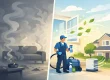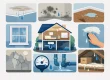
The first 24 hours after a fire are not just about what burned. They are about what keeps getting worse. Smoke residue spreads into rooms the flames never touched. Water from suppression soaks framing, drywall, and flooring. Odor settles into porous materials fast. That is why understanding fire cleanup vs fire restoration matters. They are related services, but they are not the same job.
Property owners often use both terms as if they mean one thing. In practice, cleanup is the initial phase of removing debris, contamination, soot, and water so the site can be stabilized. Restoration is the broader process of returning the property to a safe, functional condition. Sometimes that means minor repairs. In more serious losses, it means reconstruction, systems replacement, and detailed project coordination.
Fire cleanup vs fire restoration: what is the difference?
Fire cleanup deals with the immediate damage left behind after the event. It focuses on making the property safer, removing what cannot be saved, addressing soot and smoke residue, extracting water, and preventing secondary damage. Cleanup is urgent because corrosion, staining, and odor penetration start quickly. The longer debris and residue sit, the more expensive the recovery usually becomes.
Fire restoration includes cleanup, but it goes further. Restoration is the full recovery process required to bring the property back to pre-loss condition as closely as possible. That can involve structural drying, demolition of unsalvageable materials, content cleaning, deodorization, repairs, replacement of finishes, and in larger losses, rebuilding sections of the property.
A simple way to think about it is this: cleanup removes the damage; restoration rebuilds from it. On some jobs, the line between the two phases is obvious. On others, they overlap. A technician may be cleaning soot from salvageable framing while another crew is already planning reconstruction.
What fire cleanup usually includes
Cleanup starts with site evaluation and safety control. Before any meaningful work begins, the property has to be assessed for structural risk, electrical hazards, exposed insulation, unstable ceilings, and contamination from smoke and firefighting efforts. In commercial properties, that evaluation may also include equipment exposure, HVAC contamination, and occupancy concerns.
Once the site is safe to enter, cleanup typically moves into debris removal and damage containment. Burned materials, charred contents, and unsalvageable finishes are removed so technicians can access the full extent of the loss. Temporary board-up or roof tarping may be needed to secure the structure from weather, theft, or further deterioration.
Soot and smoke residue removal is one of the most technical parts of fire cleanup. Different types of fires leave different residues. A fast-burning high-oxygen fire does not behave the same way as a slow smoldering fire, and protein residue from kitchen fires behaves differently from dry soot. Using the wrong cleaning method can smear residue, drive odor deeper, or permanently damage surfaces.
Fire cleanup often also includes water extraction and drying. That surprises some property owners, but it should not. A large share of post-fire damage comes from suppression water, not just flames. Wet drywall, insulation, flooring, and substructures can lead to swelling, staining, microbial growth, and material failure if not addressed quickly.
Odor treatment usually begins during cleanup as well. Smoke odor does not disappear because the visible soot is gone. It clings to textiles, penetrates wood, settles inside HVAC systems, and can remain trapped behind walls or above ceilings. Effective cleanup targets both residue and odor sources, not just the smell in the air.
What fire restoration usually includes
If cleanup is about control and removal, restoration is about recovery. Once the property is stabilized and the damage is fully documented, restoration work can begin based on what can be repaired, what must be replaced, and how the structure can be returned to service.
In a residential setting, restoration may involve replacing drywall, insulation, cabinets, flooring, trim, doors, and paint. In severe cases, structural framing, roofing components, and electrical systems may need repair or replacement. In commercial spaces, restoration may also involve tenant improvements, code-related upgrades, and coordination around business interruption.
Restoration can also include specialized content recovery. Furniture, documents, electronics, inventory, and personal belongings may be cleaned, deodorized, or restored off-site depending on the loss. That work matters because replacing contents is not always faster or cheaper, and some items have business or sentimental value that cannot be measured only by cost.
This phase is also where insurance scope, contractor coordination, and timeline management become critical. A property that looks cleaned out is not necessarily close to operational. Restoration is where the practical return to occupancy happens.
Why property owners confuse the two
Most people are not expected to know restoration terminology until they need it. After a fire, they are dealing with emergency responders, insurance questions, temporary housing or operational shutdowns, and immediate safety concerns. It is normal to use cleanup and restoration interchangeably.
The problem is that the distinction affects expectations. If a company says it handles fire cleanup, that does not always mean it performs full restoration or reconstruction. Some providers stop after mitigation and cleaning. Others manage the entire process from emergency response through final repairs. For a property owner, that difference affects scheduling, accountability, and how many vendors have to be involved.
That is one reason specialist firms matter. Fire damage is not basic janitorial work, and it is not the same as standard remodeling. The materials are compromised, the contamination is complex, and the timeline is unforgiving.
When cleanup alone may be enough
Not every fire loss requires major reconstruction. A small contained fire with limited structural impact may only need targeted demolition, surface cleaning, odor removal, and minor repairs. For example, if a kitchen fire is stopped quickly and the damage is localized to cabinets, nearby finishes, and smoke spread, the bulk of the job may center on cleanup with light restoration after.
Even then, it depends on hidden conditions. Smoke travels farther than many owners realize, and suppression water can affect adjacent rooms, lower levels, and cavities behind finished surfaces. What looks minor at first glance can expand once moisture readings, odor mapping, and material inspection begin.
When full fire restoration is necessary
Full restoration is usually required when the fire affects structural assemblies, major interior systems, large sections of the building envelope, or widespread smoke and water exposure. If framing is charred, insulation is compromised, electrical components were exposed, or multiple rooms were affected, cleanup alone will not return the property to a usable state.
The same is true for properties with significant secondary damage. A fire in one area can create a restoration problem throughout the building if smoke traveled through ductwork, water migrated across floors, or acidic residue began damaging metals, finishes, and mechanical components.
Commercial properties often need full restoration even after a fire that seems contained. Business operations depend on more than clean walls. They depend on safe electrical service, code compliance, functional HVAC, reliable interiors, and a space that employees or tenants can actually use.
What to ask before hiring a fire damage company
The most useful question is not whether a company does cleanup or restoration. It is whether they handle the full fire recovery process and how they separate emergency mitigation from repair work. You want clarity on what happens first, what happens next, and who is responsible for each phase.
Ask how they approach soot removal, odor treatment, and water mitigation. Ask whether they document damage for insurance, whether they perform pack-out and contents cleaning, and whether reconstruction is handled in-house or outsourced. None of these questions are minor. Gaps between phases create delays, miscommunication, and extra cost.
It also helps to ask how quickly they can mobilize. Fire losses change by the hour, not just by the day. Fast action limits corrosion, controls odor spread, reduces moisture damage, and gives insurance documentation a cleaner starting point.
For property owners who need one point of accountability, working with a specialist such as Fire and Flood Experts can simplify the process. The value is not just labor. It is coordinated technical response when the property is unstable and every delay carries a cost.
The real issue is not wording – it is scope
The phrase fire cleanup vs fire restoration sounds like a language question, but for owners and managers, it is really a scope question. Cleanup addresses the immediate mess and contamination. Restoration addresses the full return of the property. On many losses, you need both, in the right order, with the right expertise.
If you are facing fire damage, do not focus only on whether debris can be cleared out quickly. Focus on whether the response plan addresses smoke, water, odor, hidden damage, and the path back to safe occupancy. A clean-looking property is not always a restored one, and knowing that early can save time, money, and a second round of disruption later.