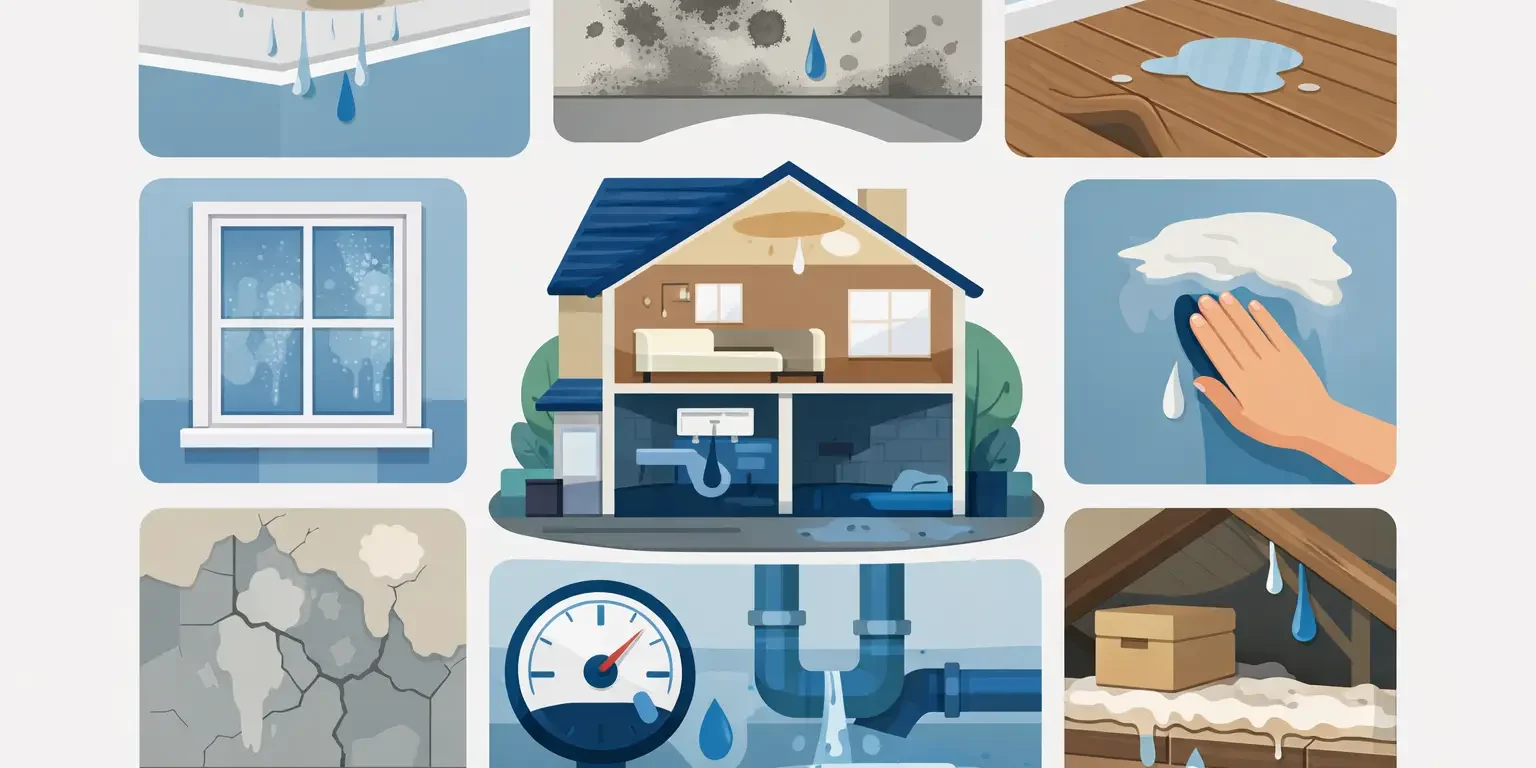
A wall does not need to be dripping for water damage to be serious. Some of the top signs of hidden water damage show up quietly at first – a faint odor, a warped baseboard, a paint bubble you keep meaning to fix. By the time the damage becomes obvious, the repair bill is usually larger, the drying process is more involved, and mold risk is higher.
Hidden water damage often starts behind walls, under flooring, above ceilings, or around plumbing lines that leak slowly over time. In homes, multifamily buildings, offices, and retail spaces, those slow leaks can affect insulation, framing, drywall, subfloors, and electrical systems long before anyone sees standing water. That is why early detection matters.
Why hidden water damage gets missed
Most property owners look for the dramatic signs – a burst pipe, a flooded room, a ceiling collapse. The harder cases are the ones that develop gradually. A small supply line leak under a sink may only dampen the cabinet base for weeks. A roof leak may travel along framing before it stains a ceiling. HVAC condensation problems can keep feeding moisture into the same area without triggering immediate concern.
Water also moves in ways people do not expect. It can run downward, sideways, and into adjoining materials. The wet spot you see may not be where the leak started. That makes hidden damage easy to underestimate and harder to trace without proper inspection tools.
Top signs of hidden water damage inside a property
The warning signs usually come in clusters. One minor issue may be cosmetic. Several together often point to active moisture or past water intrusion that was never fully dried.
1. Musty or damp odors that do not go away
A persistent musty smell is one of the clearest signs that moisture is trapped somewhere it should not be. This often happens inside wall cavities, beneath flooring, inside crawl spaces, or behind cabinets. If the odor gets stronger after rain, after running plumbing fixtures, or when the HVAC system turns on, that is an important clue.
Odor alone does not tell you how severe the damage is, but it does suggest that materials have stayed damp long enough to create a bigger problem. That can include microbial growth, saturated insulation, and deterioration of surrounding finishes.
2. Stained ceilings or discolored walls
Yellow, brown, or copper-colored stains on ceilings and walls are classic indicators of water intrusion. In some cases, the leak may no longer be active, but the staining still shows where water traveled. In other cases, a stain that keeps expanding means moisture is still entering the structure.
Do not assume repainting solves the issue. If the source remains, water will return and so will the staining. On commercial properties, even small discoloration around ceiling tiles should be checked quickly because water may be affecting a larger area above the visible spot.
3. Bubbling paint or peeling drywall tape
Paint that blisters, bubbles, or peels often means moisture is pushing outward from behind the surface. Drywall tape that starts separating at seams can signal the same issue. This is especially common in bathrooms, kitchens, laundry rooms, and below upstairs plumbing fixtures.
There is some nuance here. Not every paint failure is water damage. Poor surface prep and humidity can also cause similar symptoms. But when bubbling paint appears in one isolated area, especially near plumbing or exterior walls, water intrusion should be on the shortlist.
4. Warped floors or soft spots underfoot
Wood flooring that cups, buckles, or separates can indicate moisture below or within the material. Laminate flooring may swell at the seams. Vinyl plank floors can lift if the subfloor is wet. Tile can loosen if water has compromised the substrate beneath it.
A soft or spongy area when walking across a floor deserves attention right away. In residential settings, this can point to long-term leaks from appliances, toilets, or supply lines. In commercial spaces, restrooms, break rooms, and mechanical areas are common trouble spots.
5. Baseboards, trim, or cabinets pulling away
Trim materials are often among the first visible elements to react to hidden moisture. Baseboards can swell, split, or detach from the wall. Door casings may show expansion. Cabinets under sinks may look slightly bowed or feel soft at the bottom panel.
Because this kind of change can seem minor, it is easy to put off. That is a mistake. Trim movement often means the materials behind it have also been affected.
6. Sudden mold spots or recurring mildew
If mold keeps appearing on a wall, around a window, or inside a cabinet after cleaning, there is likely an ongoing moisture source. Surface treatment may remove what you can see, but it does not address the wet materials feeding the problem.
Bathrooms and basements are common locations, but recurring mold can show up anywhere water is trapped. Small visible spots do not always mean widespread contamination, but they should be investigated before they turn into a larger remediation issue.
7. Unexplained increase in water bills
Not all hidden water damage starts with a dramatic leak. A small plumbing leak behind a wall or under a slab can run continuously and stay unnoticed except for one thing – your water bill climbs without a clear reason.
This sign is especially important for landlords, property managers, and facility operators who track monthly utility costs. If usage jumps and occupant behavior has not changed, hidden leakage should be considered along with fixture issues and irrigation problems.
8. Sounds of running water when fixtures are off
If you hear dripping, trickling, or water movement inside walls when no sink, shower, appliance, or irrigation line is in use, take it seriously. Sound can travel, so the exact location may be deceptive, but unexplained water noise often points to an active plumbing issue.
The sooner that leak is located, the better the chance of limiting structural damage and avoiding more invasive repairs.
9. Cracks, sagging, or material breakdown
Water weakens building materials over time. Drywall may sag. Ceiling textures may droop. Plaster can crack. Wood framing and sheathing can lose strength when exposed to repeated moisture. In severe cases, ceiling sections become unstable and flooring systems may no longer feel solid.
At this stage, hidden water damage is no longer just a cleanup concern. It becomes a structural and safety issue.
Where these signs usually show up first
The most common problem areas are not random. Kitchens, bathrooms, laundry rooms, water heater closets, basements, crawl spaces, attics, and areas below roof penetrations should get regular attention. In commercial properties, add janitor closets, mechanical rooms, restroom walls, and spaces below HVAC equipment.
Exterior walls also matter, especially around windows, doors, and rooflines. A leak from outside can mimic a plumbing problem inside, so inspection should consider both possibilities.
What to do if you notice the top signs of hidden water damage
Start by treating the situation as active until proven otherwise. If it is safe, shut off the local water supply to the affected fixture or the building water main if a plumbing leak is suspected. Avoid using electrical fixtures near visibly wet materials. Move contents away from the area if possible.
Then document what you see. Photos of stains, swelling, affected materials, and any active dripping can help with insurance and repair planning. What matters next is finding the moisture source and confirming how far the water has spread. That often requires moisture meters, thermal imaging, and a trained inspection process rather than guesswork.
There is a trade-off here. Waiting may seem practical if the damage looks minor, but hidden moisture does not usually stay contained. On the other hand, tearing into walls without a plan can create unnecessary repair costs. The right response is targeted inspection followed by proper drying, removal of unsalvageable materials if needed, and restoration of the affected area.
A specialist restoration company such as Fire and Flood Experts can determine whether the issue is recent or long-term, whether drying alone is enough, and whether mold, insulation damage, or structural repairs also need to be addressed. That distinction matters because the solution for a one-time clean water leak is different from the solution for a long-standing moisture problem.
If a stain is growing, a floor feels soft, or a musty odor keeps returning, do not wait for visible flooding before taking action. Small signs are often the first warning that water has already moved farther than you think. Catching it early gives you more options, less disruption, and a better chance of keeping damage contained.