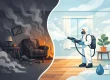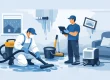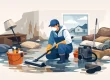
A kitchen fire gets knocked down quickly, but the damage is not over when the flames are out. Smoke has moved into cabinets and drywall. Water from firefighting has soaked the floor system. That is the point where many owners ask, what is fire and water restoration, and what happens next?
Fire and water restoration is the professional process of stabilizing, cleaning, drying, repairing, and restoring a property after fire, smoke, and water damage. It is not just cleanup. It is a structured recovery process designed to stop further damage, address safety issues, remove contamination, and bring the building back to a safe, usable condition.
For homeowners and property managers, that distinction matters. A wet-vac and a general contractor are not enough when a building has smoke residue, hidden moisture, odor penetration, and possible structural damage all at once. Restoration work requires the right sequence, the right equipment, and people who understand how fire damage and water damage interact.
What is fire and water restoration in practical terms?
In practical terms, fire and water restoration starts with emergency response and ends when the property is returned as close as possible to its pre-loss condition. Depending on the loss, that can mean board-up services, water extraction, demolition of unsalvageable materials, smoke cleanup, structural drying, deodorization, repairs, and reconstruction coordination.
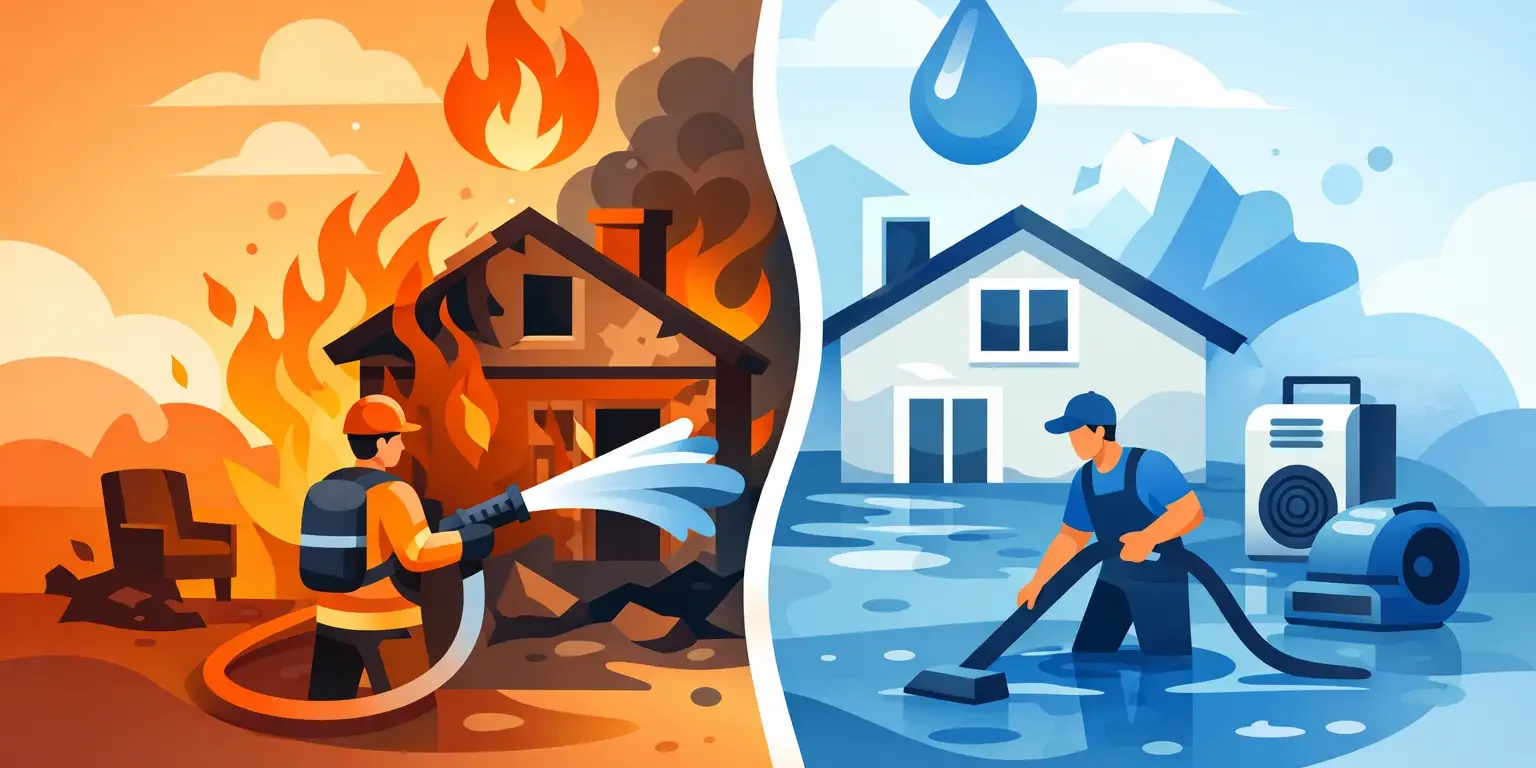
The key point is that fire losses almost always create water losses too. If a fire was extinguished with sprinklers, hoses, or suppression systems, moisture is now inside flooring, wall cavities, insulation, framing, and contents. Even a small fire can leave a larger restoration footprint than people expect.
This is also why speed matters. Soot becomes harder to remove the longer it sits. Water continues to migrate. Odors settle deeper into porous materials. Corrosion can begin quickly on metal surfaces and electronics. Delays usually increase both the scope of damage and the final cost.
Why fire and water damage are treated together
Fire damage and water damage are connected, but they do not behave the same way. Fire leaves heat damage, char, smoke residues, and odors. Water causes swelling, staining, microbial growth risk, and deterioration of building materials. Treating only one side of the problem often leaves the other side active.
For example, removing visible soot from a room does not solve trapped moisture behind the walls. Drying the structure without properly cleaning smoke residue does not solve odor and contamination. A trained restoration team looks at the full loss, not just the most obvious symptom.
That broader approach matters even more in commercial buildings, multifamily properties, and larger homes where damage can spread through HVAC systems, shared walls, ceiling voids, and subfloor areas. The visible damage is often only part of the job.
The first phase: emergency stabilization
The first priority is making the property safe and preventing more damage. That usually begins with an inspection to identify immediate hazards such as structural instability, electrical issues, standing water, active leaks, or exposed openings in the building envelope.
Emergency stabilization may include tarping a roof, boarding up broken windows or doors, extracting standing water, shutting down unsafe utilities, and removing materials that are beyond saving and are interfering with drying or cleanup. In some cases, contents also need to be packed out to protect them from further damage or to make structural work possible.
This phase is not cosmetic. It is about control. A property that is not stabilized can deteriorate fast, especially if water remains trapped in materials for more than a day or two.
The cleanup and mitigation phase
Once the site is stabilized, mitigation work begins. This is the stage where restoration professionals stop secondary damage and create the conditions for repair.
For water-related damage, that often means commercial extraction, moisture mapping, dehumidification, air movement, and continuous monitoring. Drying is not guesswork. Technicians use moisture meters, thermal imaging when needed, and documented readings to track whether materials are returning to acceptable moisture levels.
For fire-related damage, mitigation includes removing debris, cleaning soot from surfaces, addressing smoke residue based on the type of fire, and controlling odor. Not all soot is the same. A protein fire from cooking behaves differently than residue from a fast-burning paper fire or a slow, oxygen-poor fire involving synthetic materials. Each can require a different cleaning method.
This is one reason DIY cleanup often causes problems. The wrong cleaning product can smear soot, set stains, or damage surfaces permanently. Aggressive scrubbing can make restoration harder, not easier.
What gets removed and what gets restored
One of the most common questions after a loss is whether materials can be saved. The answer depends on the category of water, the amount of heat exposure, how long the damage has been present, and what the material is made of.
Non-porous and semi-porous materials can often be cleaned and restored if addressed quickly. Dense wood, metal, and some hard surfaces may be salvageable. Porous materials such as insulation, some ceiling tiles, carpet pad, and smoke-saturated drywall may need to be removed, especially if they hold odor, contamination, or moisture that cannot be fully corrected.
There is no honest one-size-fits-all answer. Some properties need limited demolition and targeted drying. Others require significant tear-out because damage has spread farther than it first appeared. A specialist should explain those calls clearly, with a focus on what is safe, restorable, and cost-effective.
Smoke, soot, and odor are their own problem
Many property owners focus on burned materials and visible water, but smoke damage can be the most persistent part of the loss. Smoke travels beyond the original fire area and can settle inside cabinets, ductwork, insulation, fabrics, and hidden cavities.
Odor removal is not a matter of covering smells with fragrance. If the source residue remains, the smell usually returns. Effective deodorization depends on source removal, detailed cleaning, and treatment methods matched to the structure and contents. That may include air scrubbing, thermal or fogging applications, and specialized cleaning of affected surfaces.
This is also where experience matters. Over-treating a property can be as ineffective as under-treating it. The right process depends on what burned, how long it burned, and where the residue traveled.
Repair and reconstruction after mitigation
Mitigation and restoration are related, but they are not identical. Mitigation focuses on preventing further damage and making the site safe. Reconstruction is the repair phase that follows once the property is clean, dry, and ready for rebuilding.
That repair work can include drywall replacement, painting, flooring installation, cabinetry, trim, electrical repair, and other structural or finish work needed to return the property to normal use. In some cases, the same company manages both phases. In other cases, mitigation is completed first and reconstruction is scheduled separately.
What matters most is sequencing. Rebuilding before the structure is properly dried and cleaned can trap moisture, preserve odors, and create future failures behind finished surfaces.
Insurance, documentation, and decision-making
Most fire and water losses involve insurance questions, but the restoration process should still be driven by site conditions, not assumptions. Proper documentation helps support the claim and keeps everyone aligned on the scope of loss.
A professional restoration contractor typically documents affected areas, equipment used, moisture readings, removed materials, and visible damage. That record helps property owners, adjusters, and managers make informed decisions. It also reduces confusion when the scope changes because hidden damage is uncovered.
It is worth saying plainly: insurance coverage and restoration necessity are not always the same question. A material can require removal for safety or technical reasons even if there is still a coverage discussion in progress.
When to call a restoration specialist
If fire, smoke, suppression water, or flooding has affected the property, the safest move is to get a specialist involved early. That is especially true when there is standing water, a smoke odor beyond the immediate room, wet drywall or insulation, visible soot, or any concern about structural integrity.
A general handyman may be able to patch surfaces later. That does not make them the right first call after a combined fire and water loss. Early restoration decisions affect salvageability, cost, health conditions inside the property, and how long the building stays out of service.
At Fire and Flood Experts, this is exactly where specialist response matters most. The job is not just to clean what you can see. It is to control the loss, document conditions, and move the property toward safe, complete recovery with as little added damage as possible.
If you are facing damage now, the most useful next step is simple: treat it like a time-sensitive structural problem, not a cleaning project. Fast, informed action usually saves more than it costs.