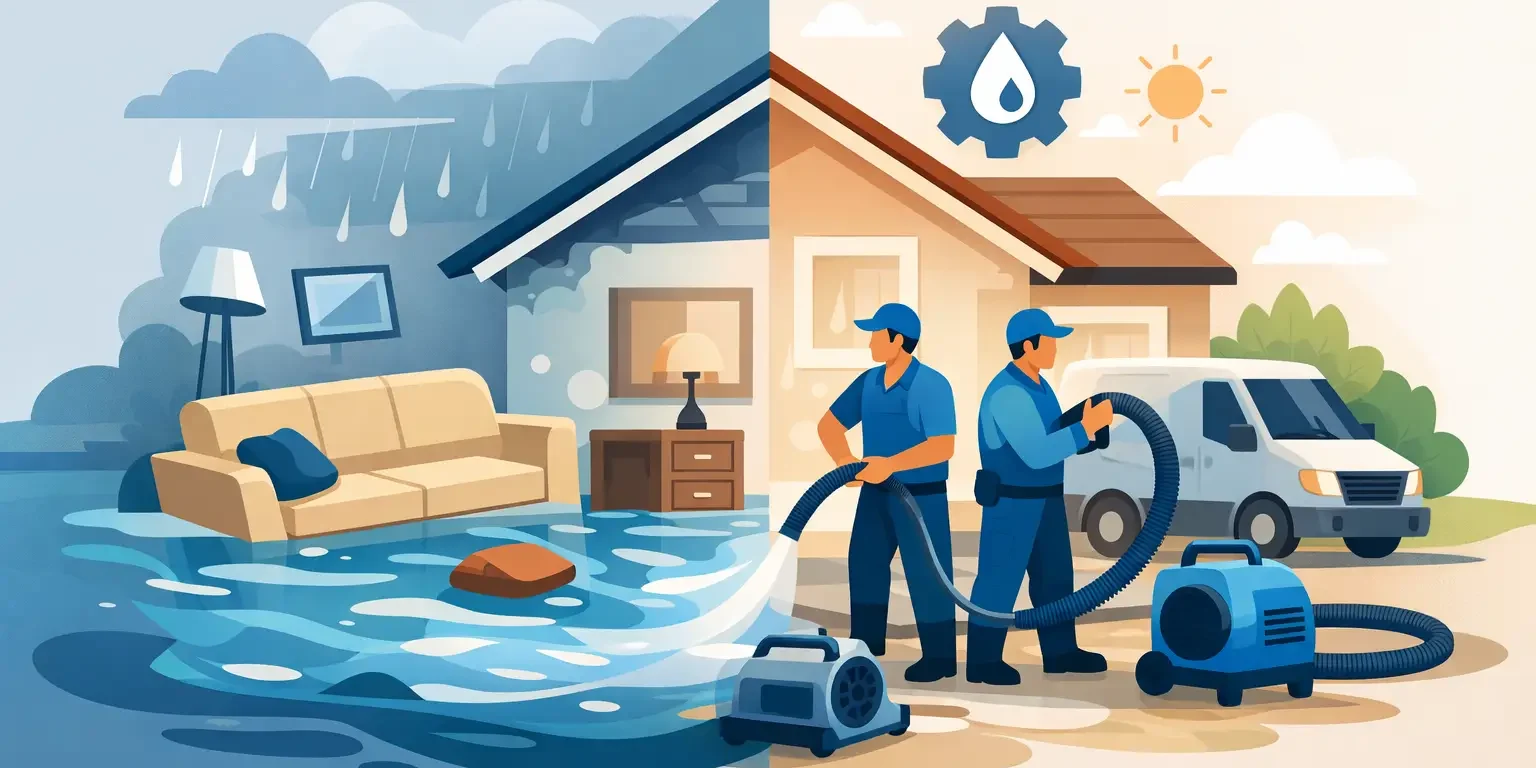
When floodwater gets into a home or commercial building, the first 24 to 48 hours shape the outcome. Materials swell, drywall breaks down, flooring traps moisture, and contamination spreads farther than most people realize. That is why flood water damage restoration companies are not just cleanup crews. They are the teams brought in to stabilize the property, control loss, and put the structure on a path to safe recovery.
Property owners often make the mistake of thinking visible water is the main problem. It is not. Standing water is urgent, but the hidden moisture in wall cavities, insulation, subfloors, and framing is what drives long-term damage. If that moisture is missed or the drying plan is weak, the property can move from a flood event into a much larger restoration project.
What flood water damage restoration companies actually do
A qualified restoration company handles more than extraction and drying fans. The work starts with emergency response, safety assessment, and water source evaluation. In a flood event, that includes identifying whether the water is relatively clean, gray water from contaminated sources, or black water that may contain sewage, chemicals, or outdoor pollutants.
That classification matters because it changes the scope of work. Clean water from a supply line break is handled differently than floodwater that entered from outside after heavy rain, storm surge, or drainage failure. Once outside water enters a structure, contamination concerns increase fast. Porous materials may need to be removed, contents may require separate cleaning protocols, and technicians need to contain affected areas to prevent cross-contamination.
The next phase is water extraction and demolition when necessary. This is where speed matters, but so does judgment. Not every wet material should be torn out immediately, and not every material can be saved. Experienced crews know how to make those calls based on moisture readings, material type, contamination level, and how long the structure has been wet.
After that comes structural drying. This is the part many property owners underestimate because it looks simple from the outside. Air movers and dehumidifiers are only tools. The real value is in how they are deployed, how conditions are monitored, and how the drying plan is adjusted. A serious restoration company tracks moisture migration, temperature, humidity, and drying progress instead of guessing.
Why flood restoration is different from basic water cleanup
Flood damage is rarely limited to one room. Water follows gravity, but it also wicks sideways and rises into absorbent materials. Baseboards, trim, cabinets, insulation, carpet pad, and engineered flooring can all hold moisture in places that are not obvious during a quick walkthrough.
Flood events also create more uncertainty than ordinary plumbing leaks. Exterior water can carry soil, bacteria, fuel residue, and debris. If the property was affected by river flooding, urban runoff, or stormwater backup, the cleanup standard changes. That means proper protective equipment, containment, disposal methods, and disinfection are not optional.
This is where flood water damage restoration companies separate themselves from general contractors. A contractor may be excellent at rebuilding, but emergency mitigation is a technical discipline of its own. Drying science, contamination control, psychrometrics, and moisture mapping are not side skills. They are the core of the job.
Signs a restoration company knows what it is doing
In an emergency, property owners often hire the first company that answers the phone. Fast response matters, but speed without process can create expensive problems later. A capable restoration company should inspect thoroughly, explain the water category, identify immediate safety risks, and outline what can be saved versus what should be removed.
You should also expect documentation. That includes photos, moisture readings, affected material records, and a drying plan with daily updates when needed. If a team starts tearing out materials without explaining why, or places equipment without measuring conditions, that is a warning sign.
Another good sign is restraint. Not every job needs aggressive demolition, and not every wet room can be dried in place. The right company makes decisions based on evidence, not habit. That balance protects both the structure and the restoration budget.
What the response process should look like
The first step is site stabilization. That may include shutting off power to affected areas, identifying slip and electrical hazards, and stopping additional water intrusion if the source is still active. If floodwater entered from outside, crews may also need to board openings, place temporary barriers, or coordinate other emergency services to limit further damage.
Next comes inspection and moisture mapping. Technicians should identify both visible damage and concealed moisture, using meters and thermal imaging where appropriate. This is what separates surface cleanup from actual restoration work.
Then the company begins extraction, material removal where required, cleaning, and drying setup. The exact sequence depends on contamination level, the building layout, and how long water has been present. A small office suite with wet carpet and drywall presents one set of decisions. A flooded crawl space, saturated insulation, and contaminated flooring present another.
Monitoring is the part many clients never see but should value. Drying equipment must be checked and adjusted. Materials need to be retested. Humidity levels need to be controlled. Without that follow-through, the project can stall, and hidden moisture can remain in the structure.
Insurance, documentation, and why clarity matters
Most property owners dealing with flood or major water loss are also trying to figure out what insurance will and will not cover. That can be stressful, especially when the damage is severe and business operations or living conditions are disrupted.
A professional restoration company should not act like your attorney or public adjuster, but it should document the loss clearly and communicate in a way that supports the claims process. Accurate records help establish the condition of the property, the mitigation steps taken, and the rationale behind material removal or cleaning decisions.
It also helps to understand that insurance outcomes depend on the source of loss. Water from a burst pipe, appliance failure, roof leak, sewer backup, or external flood event may be handled differently under a policy. A restoration company cannot rewrite coverage, but it can reduce confusion by documenting facts cleanly and early.
Residential and commercial jobs are not the same
Homeowners usually focus on safety, salvage, and getting normal life back as quickly as possible. Commercial property owners and facility managers often have another pressure point: interruption. Every day a building is partially unusable can mean lost revenue, tenant issues, compliance concerns, or operational setbacks.
That changes how flood water damage restoration companies approach the work. In commercial settings, the job may need phased drying, after-hours scheduling, containment around occupied spaces, and tighter reporting. In residential settings, the focus may lean more heavily toward contents protection, family safety, and coordination with reconstruction.
The underlying science is the same, but the logistics are not. A company that understands both environments will ask different questions depending on the property type and use.
Why cheap bids can get expensive fast
Flood restoration is one of those services where the lowest estimate can cost the most. Under-scoped jobs often leave wet materials behind, skip proper cleaning, or use too little equipment for the structure. The property may look dry at the surface while moisture remains trapped where it can continue causing damage.
The opposite problem also happens. Some companies oversell demolition and replacement because rebuild work is profitable. That is why experience and documentation matter. The right company should be able to justify what it recommends, whether that means selective removal, controlled drying, or broader tear-out due to contamination.
Price matters, but process matters more. In this field, the real cost shows up weeks later if the job was handled poorly.
Choosing flood water damage restoration companies with confidence
If you are hiring under pressure, keep the decision practical. Ask how quickly the team can respond, how they determine contamination category, what equipment they use, how they monitor drying, and how they document the job. Ask who will be communicating with you each day and whether they coordinate with insurance representatives when needed.
You are not looking for sales language. You are looking for control, technical competence, and a clear plan. A specialist company such as Fire and Flood Experts should be able to explain the work in plain terms while showing that the decisions are grounded in restoration standards, not guesswork.
After a flood, the goal is not to make the property look better for a day. The goal is to stop damage where it stands, remove risk that cannot stay, and dry the structure thoroughly enough that repair and rebuilding can start on solid ground. That is the standard worth hiring for.