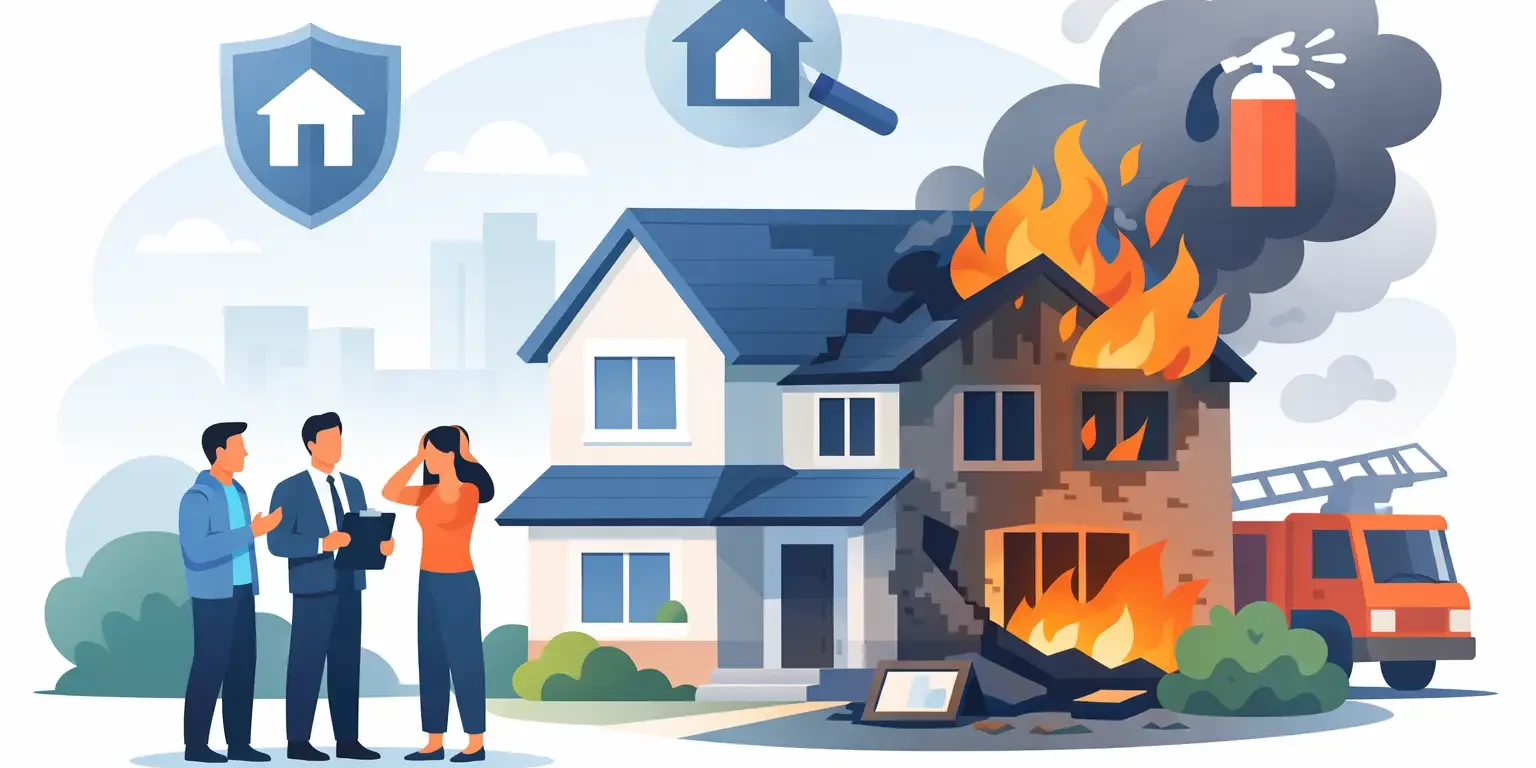
The first few hours after a fire can change the cost, safety, and recovery timeline of the entire job. If you are trying to figure out how to handle fire damage, the priority is not cosmetic cleanup. It is protecting people, stabilizing the structure, documenting the loss, and stopping smoke, soot, and water damage from getting worse.
Fire damage is rarely limited to what burned. Heat can weaken framing, smoke can move into rooms far from the source, soot can stain and corrode surfaces, and firefighting water can soak insulation, flooring, and wall cavities. That is why the right response starts with control, not speed for its own sake.
How to handle fire damage safely first
Before anything else, make sure the property has been cleared for entry by the fire department or local authorities. If the structure is not officially safe, do not go inside. Hidden hazards are common after a fire, including unstable ceilings, exposed wiring, broken glass, sharp metal, and weakened floors.
Even in a small fire, air quality can be a serious issue. Smoke residue contains fine particles and chemicals that should not be inhaled. If you need to enter a cleared property briefly, wear gloves, protective clothing, and appropriate respiratory protection. A basic dust mask is not enough for meaningful smoke and soot exposure.
Utilities also need attention right away. Electricity, gas, and HVAC systems may have been damaged by heat or water. If these systems were exposed, they should be shut down and inspected before use. Turning systems back on too early can create another safety problem and spread contamination throughout the building.
What to do immediately after the fire
Once the site is safe to access, the next step is to limit secondary damage. This is where many property owners lose valuable time. Smoke and soot become harder to remove the longer they sit, and standing water can quickly lead to swelling materials, microbial growth, and additional structural damage.
Start by contacting your insurance carrier and reporting the loss. Take clear photos and video of all affected areas before moving items, if conditions allow. Document the obvious fire damage, but also capture smoke staining, water intrusion, damaged contents, and any openings in the structure such as broken windows, roof damage, or compromised doors.
If the property is exposed to weather or unauthorized entry, emergency board-up or tarping may be needed. This is not just about security. Openings allow moisture, debris, and temperature swings to make the damage worse. In commercial spaces, securing the site also helps reduce liability.
You should also create a simple written record of what happened, when the fire occurred, and what emergency actions were taken. Insurance adjusters, restoration contractors, and in some cases local inspectors will all rely on a clear timeline.
Understanding the full scope of fire damage
A fire loss usually includes more than one category of damage. Burn damage is the most visible, but smoke and soot often spread farther than expected. Materials such as drywall, insulation, upholstery, ceiling tiles, and unfinished wood can absorb odor and contamination well beyond the burn area.
Water damage is the other major factor. Fire suppression can leave behind soaked floors, wet structural cavities, and high indoor humidity. That means a proper fire restoration job often includes water extraction, drying, dehumidification, and moisture monitoring in addition to demolition and cleaning.
There is also a difference between light smoke damage and heavy residue from a high-heat or protein-based fire. Soot types behave differently. Some residues are dry and loose, while others smear easily and bond to surfaces. Using the wrong cleaning method can push soot deeper into materials or permanently set stains.
How to handle fire damage without making it worse
The biggest mistake after a fire is starting DIY cleanup too soon. It is understandable. Property owners want to act quickly, recover valuables, and get the space back in service. But fire damage does not respond well to improvised cleaning.
Do not wipe soot with household cleaners unless you know the material and residue type. On walls, ceilings, painted surfaces, and porous materials, aggressive scrubbing can spread the contamination and increase permanent discoloration. Standard vacuums are also a bad idea unless they are equipped for fine particulate cleanup, because they can blow soot into the air and onto unaffected areas.
Avoid using fans or the HVAC system until the property has been assessed. Air movement in the wrong phase of the job can distribute soot into ducts, mechanical systems, and clean rooms. Laundry should also wait until textiles are properly evaluated. Smoke-damaged clothing and soft goods often need specialized cleaning, and washing them normally can lock in odor.
Food, medicine, and cosmetics exposed to heat, smoke, or firefighting chemicals should generally be discarded. These are not items to gamble on. Electronics are another category that needs caution. A device may appear intact, but soot residue can be acidic and corrosive, leading to failure later if it is not professionally cleaned and assessed.
The restoration process after a fire
Professional fire restoration usually begins with inspection and damage mapping. That includes identifying structural concerns, testing moisture levels, evaluating residue type, and deciding what can be cleaned versus what needs to be removed.
The next phase is emergency mitigation. This may involve board-up, roof tarping, water extraction, structural drying, and controlled demolition of unsalvageable materials. In many losses, this is the most important point for controlling cost. Fast mitigation reduces the spread of contamination and shortens the eventual rebuild.
Cleaning comes after stabilization. Depending on the materials involved, restoration teams may use dry sponging, HEPA vacuuming, wet cleaning, abrasive methods for heavy char, and odor control treatments. Odor removal is not a cover-up job. If smoke odor remains, it usually means residue remains somewhere in the structure, contents, or HVAC system.
Once the property is clean and dry, repairs and reconstruction can begin. That can range from replacing drywall and flooring to rebuilding framing, ceilings, cabinets, and finish systems. The right approach depends on the severity of the fire, the age of the building, code requirements, and whether the property is residential or commercial.
Working with insurance and documentation
Insurance claims move more smoothly when the damage is documented early and clearly. Keep copies of photos, emergency service receipts, temporary housing costs if applicable, and any communication about access restrictions or utility shutoffs.
It also helps to separate immediate emergency work from full reconstruction in your own records. Mitigation is what prevents further damage. Rebuild is what returns the property to pre-loss condition. Both matter, but they are not the same phase of the project.
If you manage a rental property or commercial building, keep records of tenant notifications, business interruption issues, and any measures taken to secure the site. These details may become relevant during the claim and restoration planning.
When to call a fire damage specialist
Small, isolated incidents may look manageable at first, but appearance can be misleading. If there is visible soot outside the fire room, any water saturation, persistent odor, electrical exposure, HVAC contamination, or structural concern, bring in a specialist. The same applies if the building has occupants with respiratory sensitivities or if the loss affects a multi-unit or commercial property.
A qualified restoration company should be able to explain what is damaged, what can be saved, what needs immediate action, and what the sequence of work will be. You do not need vague reassurance. You need a plan.
That is where a specialist-driven response matters. A company focused on fire and water restoration, such as Fire and Flood Experts, understands that these losses overlap. Fire cleanup, smoke removal, drying, demolition, and repair planning are connected. If one part is mishandled, the rest of the job gets more expensive and more disruptive.
Making the next decision easier
After a fire, people often feel pressure to decide everything at once. You do not have to. The first goal is to make the property safe, dry, secure, and properly documented. Once that is done, the path forward becomes clearer.
The best next step is usually the one that prevents additional loss. That might mean securing the building the same day, drying wet materials before mold starts, or stopping soot from spreading into unaffected spaces. Fire damage recovery is never just about cleaning up what you can see. It is about controlling what the fire left behind before it turns into a larger problem.