The fire is out, but the loss is not over. A residential fire restoration guide helps homeowners make controlled decisions during the first hours and days after a fire, when smoke residue, water damage, unstable materials, and insurance requirements can all affect the recovery. The right response protects people first, limits additional property damage, and creates a clear path toward repair.
Start With Safety and Property Stabilization
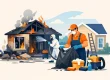
Do not re-enter the home until the fire department or local authority says it is safe. Even a small kitchen or electrical fire can leave behind weakened flooring, damaged wiring, contaminated surfaces, and hazardous airborne particles. If the property has visible structural damage, a strong smoke odor, standing water, or soot throughout multiple rooms, treat it as an active restoration emergency.
Once entry is approved, avoid turning on lights, appliances, HVAC equipment, or plumbing fixtures until they have been evaluated. Electrical systems may have heat or water damage, and operating the furnace or air conditioner can spread soot through the home. Keep children, pets, and anyone with respiratory conditions away from affected areas.
Professional crews typically begin by securing the structure. This may include boarding damaged windows and doors, placing a temporary roof covering over an opening, and controlling access to the property. These measures are not cosmetic. They prevent weather exposure, theft, and further deterioration while the loss is documented and restoration planning begins.
Document the Damage Before Cleanup Begins
Take wide and close photographs of every affected room, including ceilings, walls, cabinets, flooring, personal belongings, and exterior damage. Photograph the source area even if it is heavily damaged. Record visible soot patterns, water intrusion, and items that may need to be removed.
Create a written inventory as soon as possible. List the item, brand or description, approximate age, condition before the fire, and estimated replacement cost if known. Do not throw away damaged belongings until your insurance carrier has reviewed the claim or advised you otherwise. If an item must be discarded because it is unsafe or contaminated, photograph it first and keep any identifying information you can safely recover.
Contact your insurance carrier promptly and request a claim number. Ask what emergency mitigation work is approved, how temporary housing or loss-of-use coverage applies, and whether the insurer requires a specific documentation process. Homeowners have the right to select qualified restoration professionals, but clear communication with the adjuster helps prevent avoidable delays.
Understand What Fire Damage Really Includes
Fire restoration is not limited to rebuilding what burned. The damage often extends well beyond the flames. A complete evaluation identifies the separate conditions that must be addressed before repairs can last.
Smoke and Soot Residue
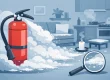
Smoke travels through openings, ductwork, wall cavities, and upper levels of a home. Soot can be dry and powdery, sticky and oily, or protein-based from burned food. Each type requires different cleaning methods. Improper wiping can grind particles into paint, fabric, wood grain, and carpeting, making staining and odor worse.
Professionals use controlled cleaning techniques, HEPA filtration, specialized sponges, and appropriate detergents based on the surface and residue type. Painted walls, unfinished wood, electronics, and textiles do not respond to the same approach. This is why general household cleaners are often a poor choice after a fire.
Water and Moisture Damage
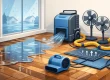
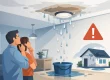
Firefighting water can soak framing, insulation, drywall, subfloors, and contents. Moisture left behind creates conditions for microbial growth, material warping, and concealed structural damage. Drying should begin quickly, but drying equipment must be placed and monitored based on measured moisture levels, not guesswork.
A restoration team may remove unsalvageable drywall or insulation, extract standing water, set commercial drying equipment, and check moisture in structural materials throughout the process. In some cases, targeted demolition is the fastest way to protect the unaffected portions of the home.
Odor and Air Quality Concerns
A smoke smell is more than an inconvenience. It indicates that odor-causing particles remain in materials or enclosed spaces. Simply applying fragrance, repainting, or running an air freshener does not remove the source.
Effective odor control starts with removing residue and contaminated materials. Depending on the loss, technicians may use air scrubbing, thermal fogging, hydroxyl treatment, or other controlled deodorization methods. The correct method depends on the fire source, building materials, extent of smoke travel, and whether occupants can remain in the property during treatment.
The Residential Fire Restoration Process
A qualified restoration project generally follows a deliberate sequence. The order matters because rebuilding before cleaning, drying, and odor control can trap damage inside the structure.
First comes emergency mitigation: securing the property, extracting water, protecting unaffected rooms, and addressing immediate safety concerns. Next, the restoration team documents damage, develops a scope of work, and separates salvageable contents from materials that must be removed.
Cleanup follows. This can include soot removal from structural surfaces, contents cleaning, HVAC assessment, debris removal, and odor treatment. Drying and environmental monitoring continue until affected materials reach appropriate moisture conditions. Only then should repairs move forward.
Reconstruction may involve drywall replacement, insulation, painting, flooring, cabinetry, electrical work, roofing, or structural repairs. The scope depends on fire severity. A contained stove fire may require focused cleaning and cabinet repair, while a fire that entered wall cavities or attic spaces may require extensive demolition and reconstruction.
What Homeowners Should Not Do After a Fire
The urge to start cleaning immediately is understandable, but certain actions can increase damage or create safety issues. Do not vacuum loose soot with a standard household vacuum. It can spread fine particles and damage the machine. Do not wash smoke-damaged walls or fabrics before a professional identifies the residue type.
Avoid using electrical devices that were exposed to heat, water, or heavy smoke. Do not consume food, medication, cosmetics, or other consumable items that were exposed to smoke or firefighting chemicals, even if the packaging appears intact. When in doubt, ask your insurer or restoration professional for guidance.
Also avoid signing broad repair agreements before you understand the scope, timeline, payment terms, and insurance coordination process. Emergency stabilization cannot always wait, but homeowners should receive clear documentation of authorized work and the condition of the property.
Choosing a Fire Restoration Contractor
Fire recovery requires more than a general remodeling crew. Look for a contractor with fire, smoke, water, and odor restoration capability, because these conditions often occur together. Ask how the company documents moisture, manages contents, protects unaffected areas, and communicates with insurance representatives.
A dependable contractor should explain what can be cleaned, what needs replacement, and why. They should not promise that every item can be saved, because some materials retain contamination or odor beyond practical restoration. At the same time, they should not recommend unnecessary demolition without evidence of damage.
Response time matters, but technical control matters just as much. Fire and Flood Experts approaches residential losses as a full restoration problem: immediate stabilization, measured drying, detailed cleaning, odor control, and coordinated repair. That sequence helps reduce secondary damage and gives homeowners a clearer record of the work performed.
Keep the Recovery Moving
Maintain one file for photos, receipts, claim correspondence, contractor estimates, temporary housing expenses, and records of every conversation about the loss. Ask for updates at defined milestones, especially after mitigation, after the repair scope is approved, and before reconstruction begins. Clear records protect you if questions arise about coverage or completed work.
Recovery can feel slow because the visible fire damage is only part of the job. Moisture must be addressed, smoke residue must be removed from the right surfaces, and repairs must wait until the home is clean, dry, and safe to rebuild. Acting carefully now gives your household the best chance of returning to a property that is not merely repaired, but properly restored.