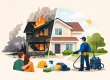
The fire is out, but the property is not yet safe. Fire damaged home cleanup begins with controlling the risks left behind: unstable materials, corrosive soot, contaminated water, damaged electrical systems, and openings that leave the home exposed to weather or theft. The first decisions made after a loss can affect occupant safety, restoration cost, and the strength of an insurance claim.
A house fire creates several types of damage at once. Heat may weaken framing, smoke can travel far beyond the burn area, and water used to extinguish the fire can soak floors, walls, insulation, and contents. Effective cleanup is not a matter of sweeping up debris. It is a controlled restoration process that identifies what can be saved, removes what cannot, and stops secondary damage before it spreads.
Start With Safety and Property Stabilization
Do not reenter a fire-damaged home until the fire department or other appropriate authority says it is safe to do so. Even after clearance, assume that conditions have changed. Floors may be weakened, ceilings can be unstable, and electrical systems may be compromised. Smoke residue can also contain fine particles and chemicals that should not be disturbed without proper protective equipment.
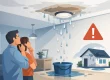
The immediate priority is to secure the building. Emergency board-up, roof tarping, and temporary fencing can prevent rain intrusion, animal entry, vandalism, and additional losses. If windows, doors, or roofing were damaged, this work should happen quickly. A property left open for even one night can sustain water damage that was not part of the original fire loss.
Before moving belongings or beginning cleanup, document the damage. Take clear photos and video of each room, including structural damage, affected contents, and visible smoke staining. Keep a written record of conversations with the insurer, fire department, adjuster, and restoration contractor. Do not discard damaged items until they have been documented and the insurer has had an opportunity to review them.
Several actions should wait for qualified professionals:
- Turning on electricity, gas, HVAC equipment, or appliances
- Walking on sagging floors or entering areas with damaged ceilings
- Cleaning soot from walls, ceilings, upholstery, or electronics with household products
- Removing wet drywall, insulation, or structural components without an assessment
- Using fans or opening HVAC systems before smoke and soot conditions are evaluated
These precautions are not excessive. A well-intended cleanup effort can spread soot, damage salvageable materials, or create an avoidable safety issue.
What Fire Damaged Home Cleanup Actually Involves
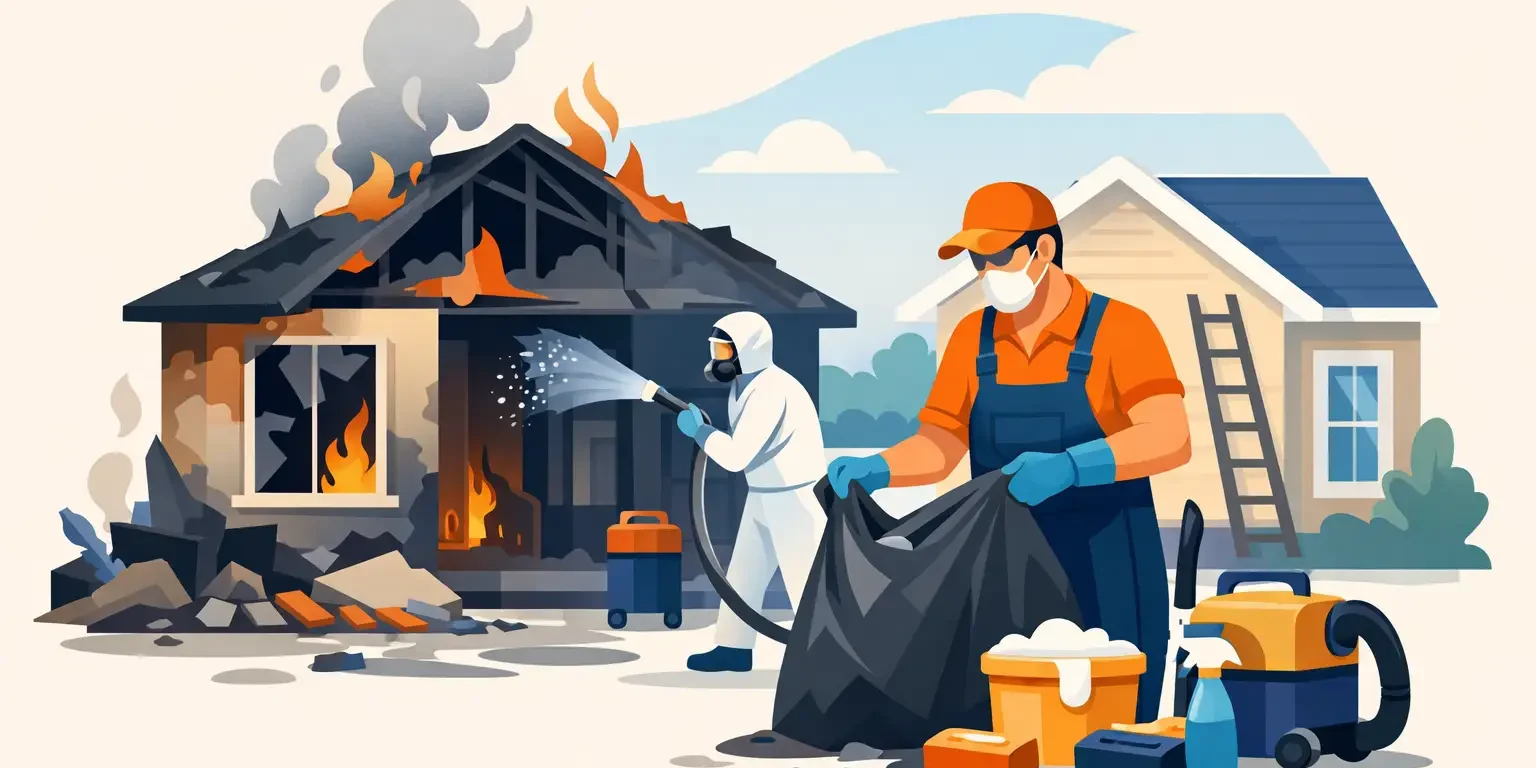
Professional cleanup begins with a detailed inspection. Restoration technicians identify the source and extent of fire, smoke, water, and heat damage. They evaluate structural components, contents, air pathways, insulation, flooring, cabinets, and mechanical systems. The visible burn area is only part of the picture. Smoke can move through wall cavities, ductwork, attic spaces, and adjoining rooms.
Water Removal and Structural Drying
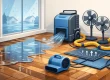
Water damage often becomes the next major concern after a fire. Firefighting efforts can leave carpeting, subfloors, drywall, and framing saturated. Standing water must be extracted quickly, followed by targeted drying with commercial air movers, dehumidifiers, and moisture monitoring equipment.
Drying is not simply placing a few fans in a room. Materials dry at different rates, and moisture trapped behind walls or beneath flooring can lead to swelling, delamination, odor, and microbial growth. Technicians use moisture readings to determine whether materials can be dried in place or require removal. In some cases, controlled demolition is the most cost-effective way to expose and dry affected building assemblies.
Soot and Smoke Residue Removal
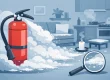
Soot is acidic, oily, and easily smeared. The wrong cleaning method can drive it deeper into paint, fabric, wood grain, and porous surfaces. Dry soot removal, specialized vacuuming, chemical sponges, wet cleaning, and detailed surface cleaning are selected based on the material and residue type.
Not all fire residue behaves the same way. A cooking fire, electrical fire, and slow-burning synthetic material fire can produce very different deposits. That is why a one-product approach rarely works. Restoration professionals match cleaning methods to the conditions instead of applying a general household cleaner throughout the home.
Smoke odor also requires more than fragrance products or open windows. Odor-causing particles can remain in insulation, soft goods, HVAC components, and hidden cavities. Depending on the damage, odor treatment may include source removal, HEPA air filtration, thermal fogging, hydroxyl treatment, or other professional deodorization methods. The goal is to remove or neutralize the source, not cover it up.
Contents Cleaning and Pack-Out Decisions
Contents should be evaluated early. Furniture, clothing, documents, electronics, artwork, and personal items may be recoverable even when they appear heavily affected. A professional contents inventory helps separate salvageable property from items that are unsafe or beyond restoration.
For major losses, a pack-out may be appropriate. Items are carefully inventoried, transported to a secure facility, cleaned with material-specific methods, and stored while reconstruction is underway. This can protect belongings from additional site damage and give contractors room to complete structural work efficiently.
There are trade-offs. Some lower-value porous items may cost more to restore than replace, while irreplaceable documents, family photographs, or specialty items may justify specialized restoration. The right decision depends on condition, replacement value, sentimental value, and insurance coverage.
Protecting the Insurance Claim Without Delaying Mitigation
Property owners are often concerned that starting cleanup will interfere with the insurance process. In most cases, reasonable emergency mitigation is necessary to prevent further damage. Waiting for every claim detail to be settled before extracting water or securing the roof can make the loss worse.
The key is documentation and communication. Keep photos, inventories, invoices, moisture records, drying logs, and itemized estimates. Ask the restoration team to explain the scope of emergency services and identify materials that need removal. A clear record shows why work was necessary and helps the adjuster understand the sequence of damage.
Avoid signing broad repair agreements before you understand the scope, payment terms, and relationship between emergency mitigation and reconstruction. Emergency services and rebuilding may be handled under separate authorizations. A qualified restoration company should explain the process in plain language, provide documentation, and coordinate professionally with the parties involved.
When DIY Cleanup Is Not Enough
A small, contained incident may allow for limited homeowner cleanup after the property is cleared and the area is assessed. For example, a minor stovetop flare-up that caused no structural damage, no suppression water, and minimal residue may only require localized cleaning.
Most house fires do not fit that description. Professional intervention is warranted when there is visible soot beyond one small area, water intrusion, lingering odor, damaged drywall or insulation, electrical concerns, HVAC contamination, roof damage, or any uncertainty about structural stability. Commercial properties also require additional attention to business contents, equipment, tenant obligations, and operational downtime.
The cost of improper cleanup can show up months later as corroded electronics, persistent odors, staining, mold growth, or insurance disputes over undocumented damage. Early assessment gives property owners a clearer path forward and reduces the chance that hidden conditions will turn into larger repairs.
Choosing a Restoration Partner After a Fire
Fire restoration work should be handled by a company equipped for emergency mitigation, smoke and soot remediation, water extraction, structural drying, contents handling, and repair coordination. Ask how quickly the team can respond, how they document damage, what safety controls they use, and how they determine whether materials can be restored or must be removed.
A dependable provider does not promise that every item will be saved or that every loss will be simple. They assess the actual conditions, explain the options, and act quickly to protect the property. Fire and Flood Experts approaches fire losses with that sequence in mind: secure the site, control water and contamination, document conditions, and build a practical restoration plan.
After a fire, the next right step is not to make the home look clean as fast as possible. It is to make the property safe, dry, documented, and ready for the work that restores it properly.