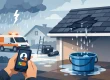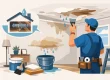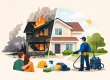
The hours after a fire, burst pipe, roof leak, or flood can feel chaotic. But knowing how to document insurance damage before cleanup moves too far ahead can make a major difference in how clearly the loss is understood. Your goal is not to prove the cause of every problem on day one. It is to create a reliable record of what happened, what was damaged, and what actions were necessary to protect the property from further loss.
Start With Safety and Emergency Mitigation
Do not enter a property that may have structural damage, standing water near electrical systems, soot contamination, or unsafe air conditions. If there is an active leak, shut off the water only if it is safe to do so. After a fire, wait for clearance from the fire department or other appropriate authority before entering.
Once the immediate hazard is controlled, take steps to prevent additional damage. This may include covering a damaged roof, extracting standing water, moving dry contents away from wet areas, or securing broken windows and doors. Most insurance policies require policyholders to take reasonable steps to limit further damage.
Document those emergency actions as well. Photograph the source of the problem if it is visible, such as a failed supply line, damaged appliance hose, storm opening, or burned electrical area. Keep invoices for emergency services, temporary repairs, water extraction, board-up work, and drying equipment. These are not optional details. They show why rapid mitigation was necessary and help separate the original loss from damage that could worsen over time.
How to Document Insurance Damage With Photos and Video
Photos and video are often the clearest way to show the scope of a loss before debris is removed or materials are demolished. Take more images than you think you need, but organize them so they are useful later.
Begin outside. Capture wide shots of the building, the address, rooflines, exterior walls, windows, drainage areas, and any visible fire, wind, or flood damage. Then move room by room. Start with a wide photo from each doorway, then photograph every affected wall, floor, ceiling, cabinet, fixture, and major item from closer range.
For water damage, photograph water lines on walls, wet flooring transitions, swollen baseboards, staining, warped materials, and affected contents. If water came from above, document the ceiling damage and the room or plumbing fixture directly above it when possible. For fire losses, capture charring, soot patterns, smoke residue, damaged insulation, burned contents, and areas that appear intact but have visible smoke contamination.
Use video to narrate what you are seeing. A slow walkthrough can establish the layout of the property and show how damage connects from one area to another. State the date, the location, and obvious conditions in plain language. For example: “This is the kitchen ceiling below the second-floor bathroom. The ceiling is wet and sagging, and water has reached the cabinets and flooring.”
Do not rely on edited images, filters, or screenshots alone. Save the original files, keep them in more than one location, and avoid deleting photos just because they seem repetitive. A restoration team may need them later to explain concealed moisture, smoke migration, or why certain materials required removal.
Create a Written Damage Log
A photo shows condition. A written log adds timing and context.
As soon as practical, write down when you discovered the loss, what you observed first, who you contacted, and what steps were taken. Include dates and approximate times for shutoff actions, calls to the insurer, emergency mitigation, adjuster visits, and contractor inspections. If you spoke with an insurance representative, record the person’s name, claim number, and a short note about the conversation.
Continue the log throughout the claim. Note when new damage becomes visible, such as staining that appears after water extraction or odor that remains after surface cleaning. Water and smoke damage can extend behind walls, under flooring, and through HVAC systems. If testing or inspection identifies additional affected materials, add that information to your records rather than assuming the first estimate is final.
A simple timeline is enough. It should be accurate, specific, and free of guesswork. If you do not know the cause of a loss, say that. Do not label damage as “old” or “unrelated” unless you have clear evidence. The insurance carrier, plumber, engineer, or restoration professional may need to determine that later.
Build an Inventory of Damaged Contents
Structural damage is only part of a property claim. Furniture, electronics, clothing, inventory, tools, appliances, documents, and personal items may also be affected.
List damaged contents by room. Include the item, brand, model number if available, age or purchase date when known, and a brief description of the damage. Photograph each item before disposing of it. If an item is high-value, unusual, or part of a business operation, gather receipts, appraisals, maintenance records, warranty information, or prior photos that show its condition.
For commercial properties, inventory can be especially time-sensitive. Document damaged stock, equipment, tenant improvements, computers, files, and specialized machinery before cleanup crews remove materials. If operations are interrupted, maintain separate records of closure dates, temporary relocation costs, and steps taken to reduce business disruption. Coverage for business personal property and business income depends on the policy, so clear records matter.
Do not throw away damaged property until the insurer has had a reasonable opportunity to inspect it, unless it presents a health or safety risk. If disposal is necessary, take detailed photos and ask the restoration contractor to document the condition before removal.
Keep Every Receipt, Estimate, and Report
Create one claim folder, either digital or physical, and use it consistently. Keep copies of your policy declaration page, claim correspondence, emergency invoices, hotel or temporary housing expenses, repair estimates, moisture reports, cleaning records, and contractor proposals.
Receipts for reasonable emergency expenses can be critical. This may include water extraction, dehumidification, temporary power, tarping, board-up services, laundry, storage, and temporary accommodations. Keep the original receipt and a digital backup. Write a note on the receipt if the purpose is not obvious.
Be careful with repair estimates. An estimate is not automatically a final scope of work, and a low initial estimate may not account for damage discovered after materials are opened. In water losses, for example, moisture readings and drying documentation can show whether materials were successfully dried or required removal. In fire losses, odor and smoke residues may require specialized cleaning beyond what is visible on the surface.
Work With the Adjuster Without Losing Control of the Record
Report the claim promptly and obtain a claim number. When the adjuster schedules an inspection, have your photos, written timeline, inventory, and mitigation invoices ready. Walk the property together if possible, point out all affected areas, and identify anything that has already been removed for safety or drying.
Ask what documentation the carrier needs and how it prefers to receive it. Then follow up in writing after important discussions so there is a clear record of what was requested or discussed. Keep communication factual and professional. Avoid guessing about coverage, repair pricing, or the cause of the loss.
You are allowed to ask questions when an estimate excludes an area you believe was damaged. Ask what information would support a reinspection or supplement request. A qualified restoration contractor can provide moisture data, drying records, material documentation, and a detailed scope when conditions support additional work. Fire and Flood Experts approaches this process with the documentation needed to connect emergency response, mitigation, and restoration work.
Common Documentation Mistakes to Avoid
The most damaging mistake is waiting too long. Wet materials can deteriorate quickly, and smoke residue can become harder to clean if it remains in place. Document first when conditions allow, then begin proper mitigation without delay.
Another mistake is taking only close-up photos. Close-ups show damage, but wide shots establish where it occurred and how extensive it was. Capture both. Also avoid starting permanent repairs before the insurer has had an opportunity to inspect, except where immediate work is needed to make the property safe or prevent further loss.
Finally, do not assume visible damage is the whole claim. Water may migrate under flooring and behind walls. Smoke can affect rooms far from the fire through air movement and HVAC systems. If conditions suggest hidden damage, request a professional assessment and preserve the findings.
A well-documented loss gives everyone a clearer starting point, but it should never delay emergency protection of the property. Protect people first, stop additional damage where safe, and keep a record that shows exactly why each decision had to be made.